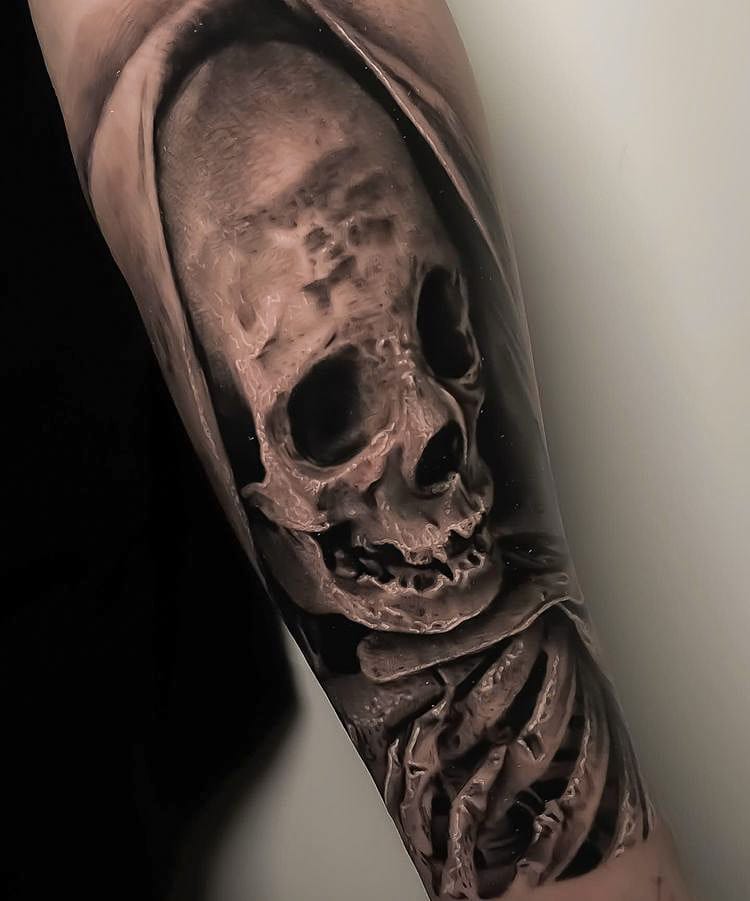
The exhilarating rush of getting new ink is often followed by a crucial, sometimes daunting, phase: healing. The aftercare process is paramount to ensuring your new artwork not only heals safely but also retains its vibrancy and detail for years to come. In the world of tattoo aftercare, two primary methods stand out: the traditional ointment approach and the innovative Second Skin Tattoo healing method. Each offers distinct advantages and considerations, leaving many to wonder which is truly the superior choice. This comprehensive guide will delve into both approaches, helping you unveil the best tattoo healing method for your unique needs.
Understanding The Modern Marvel: Second Skin Tattoo Healing
Often referred to as medical adhesive film, transparent healing film, or simply a tattoo bandage, Second Skin Tattoo is a relatively modern innovation that has revolutionized initial tattoo aftercare. It's a thin, clear, self-adhesive barrier applied directly over your fresh tattoo by your artist, creating an ideal micro-environment for healing.
How Does Second Skin Tattoo Work?
A fresh tattoo is essentially an open wound, making it susceptible to bacteria and friction. The human body naturally reacts to this by producing plasma, lymph, and sometimes a bit of ink or blood. Second Skin works by creating a breathable, waterproof, and bacteria-proof shield that locks in these natural healing fluids while keeping external contaminants out. This creates a moist healing environment, which research has shown to significantly promote faster skin regeneration, reduce scabbing, lessen itchiness, and lower the risk of scarring or uneven healing.
Within the first 24-48 hours, it's common and entirely normal to see a build-up of wound fluid (the plasma, lymph, and ink mixture) under the film. This "plasma pooling" is a sign that the film is doing its job, allowing your body's natural healing processes to occur undisturbed.
Key Benefits of Second Skin Tattoo
- Superior Protection: This transparent tattoo bandage acts as an impenetrable shield against airborne bacteria, dirt, pet dander, and other irritants, significantly reducing the risk of infection during the most vulnerable stage.
- Reduced Friction: It protects your fresh tattoo from rubbing against clothing, bedding, or other surfaces, minimizing irritation and potential damage to the delicate healing skin. This is especially beneficial for sleeping or for tattoos in high-friction areas.
- Optimal Moisture Balance: By trapping the body's natural healing fluids, it ensures the tattoo remains consistently moist, preventing it from drying out, cracking, or developing thick scabs. This moist environment is key to faster, healthier healing.
- Less Scabbing, Brighter Results: Many users report significantly less scabbing and itchiness compared to traditional methods. The result is often a brighter, more vibrant healed tattoo with better ink retention.
- Enhanced Convenience: The waterproof nature of the adhesive tattoo film means you can shower normally without worrying about soaking your tattoo. It also offers peace of mind for active individuals or those who travel, as it minimizes daily aftercare steps.
- Comfort: The flexible film moves with your skin, making it comfortable to wear for several days.
Most artists recommend keeping the Second Skin Tattoo film on for 3-5 days, but never longer than 6. Adhering to these guidelines is crucial to prevent trapping bacteria if the seal compromises over time.
The Time-Honored Approach: Ointment Tattoo Aftercare
Before the advent of second skin, traditional ointment aftercare was, and remains, the prevalent method for healing tattoos. This method typically involves an initial temporary wrap (often plastic cling film) immediately after the tattoo session, followed by a regimen of gentle cleaning and regular application of specialized tattoo ointments or fragrance-free lotions.
How Does Ointment Aftercare Work?
After your artist removes the initial wrap (usually within a few hours), the tattoo is gently washed with mild, fragrance-free soap. Then, a thin layer of a healing ointment or lotion is applied. The primary goal of these products is to moisturize the skin, prevent it from drying out, and create a protective barrier against external elements. This process needs to be repeated several times a day for several weeks, demanding consistent attention and diligence from the individual.
Benefits of Ointment Aftercare
- Familiarity and Widespread Use: This method has been trusted by artists and clients for decades, with many still preferring its tactile, hands-on approach to healing.
- Direct Control: You have direct control over how much and how often you moisturize your tattoo, allowing for adjustments based on your skin's immediate needs.
- Cost-Effective: Ointments and lotions are generally more affordable than second skin products, making it a budget-friendly option.
- Allergy-Friendly: It's the ideal method for individuals with known adhesive allergies or exceptionally sensitive skin prone to contact dermatitis, as it avoids direct prolonged contact with sticky films.
Challenges of Ointment Aftercare
- Higher Risk of Contamination: Without a sealed barrier, the tattoo is more exposed to airborne bacteria, dirt, and pet hair, requiring diligent cleaning and careful environmental control.
- Increased Friction: The tattoo is more vulnerable to rubbing against clothing or bedding, which can cause irritation, scabbing, and potentially damage the artwork.
- More Active Maintenance: This method demands constant vigilance, requiring frequent washing and reapplication of ointment throughout the day for weeks.
- Potential for Over-Moisturizing: Applying too much ointment can suffocate the tattoo, trapping moisture and bacteria, which can lead to clogged pores, rashes, or even infection.
- More Prone to Scabbing and Itchiness: The skin tends to dry out more easily, often leading to thicker scabs and increased itchiness during the healing process.
Second Skin Application, Removal, and Aftercare: Best Practices
For those opting for Second Skin Tattoo, proper application and removal are crucial for a successful heal.
Applying Second Skin (Artist's Expertise)
Your tattoo artist is responsible for the precise application of the adhesive tattoo film. They will gently wash and thoroughly dry the tattooed area before cutting the film to size and carefully applying it, ensuring there are no air bubbles or gaps that could compromise the seal.
Wearing Second Skin
As mentioned, 3-5 days is the general recommendation, never exceeding 6. During this time, you can shower as usual; the transparent tattoo bandage is waterproof. However, avoid submerging the tattoo in baths, hot tubs, or pools, as this can compromise the seal and introduce bacteria. Sleeping with the film on is perfectly fine and often beneficial, as it protects against friction.
Removing Second Skin
This step requires patience and gentleness to avoid irritating your skin or disrupting the healing tattoo.
- Always wash your hands thoroughly before touching the film.
- Lift a corner of the adhesive tattoo film. If it's difficult, a warm shower can help loosen the adhesive.
- Slowly and carefully peel the film back in the direction of your hair growth, keeping your skin taut with your free hand. Do not rip it off like a bandage.
- If you experience significant resistance or pain, let warm water run over the film while you gently peel it.
After removal, your tattoo may look a bit dry or flaky. This is normal.
Post-Second Skin Aftercare
Once the Second Skin is off, the aftercare shifts. Gently wash the tattoo with a mild, fragrance-free antibacterial soap and pat it dry with a clean paper towel (cloth towels can harbor bacteria). Then, apply a thin layer of fragrance-free, non-comedogenic lotion 2-3 times a day for the next several weeks. Continue to keep the tattoo protected from direct sunlight and harsh chemicals. For a deeper dive into extending the life of your healed tattoo, explore our guide on Mastering Second Skin: Optimal Tattoo Healing & Aftercare Guide.
When to Choose Which Method & Important Considerations
The "best" tattoo healing method isn't one-size-fits-all; it depends largely on individual circumstances, lifestyle, and your artist's recommendation.
When Second Skin Shines
- Active Lifestyles: If you work out, play sports, or have an active job, Second Skin offers unparalleled protection from sweat, dirt, and friction.
- Travelers: For those on the go, it simplifies aftercare dramatically, removing the need for frequent ointment applications.
- Large or Detailed Tattoos: Many find it superior for large pieces or intricate designs, as it promotes even healing and preserves fine details.
- Less Scabbing Preference: If you want to minimize scabbing and itchiness during healing, Second Skin is often the preferred choice.
When Ointment is Preferable
- Adhesive Allergies or Sensitive Skin: If you have a known allergy to adhesives or experience contact dermatitis, ointment is the safer alternative. Always consult with your artist about testing a small patch if unsure.
- Extreme Plasma Build-up: In rare cases of excessive plasma pooling that may compromise the film's seal, your artist might recommend removing the second skin and switching to ointment care.
- Specific Tattoo Locations: Tattoos in highly flexible areas like the inner elbow or back of the knee might experience more discomfort or compromised adhesion with second skin.
- Personal Preference: Some simply prefer the traditional, hands-on ritual of applying ointment.
Red Flags & When to Seek Medical Attention
Regardless of your chosen method, vigilance is key.
For Second Skin users, remove the film immediately if you notice:
- Heavy plasma pooling that is leaking from under the film.
- A burning sensation or excessive irritation beyond mild tenderness.
- Spreading redness extending significantly beyond the tattoo edges.
- Any signs of allergic reaction (rash, severe itching).
- Spreading redness or red streaks moving away from the tattoo.
- Increased swelling, warmth, or tenderness around the tattoo.
- Pus or foul-smelling discharge.
- Fever or chills.
Always, always defer to your tattoo artist's advice. They are the experts on their work and your skin, and their recommendations should be followed above all else.
Ultimately, both Second Skin and traditional ointment aftercare can lead to beautifully healed tattoos when executed correctly. While the Second Skin Tattoo method offers a modern, highly protective, and convenient approach with potential benefits for ink vibrancy, ointment remains a reliable and widely used method, particularly suitable for those with sensitivities. Your choice should align with your lifestyle, skin type, and, most importantly, the professional guidance of your tattoo artist. Prioritizing proper aftercare, regardless of the method, is the most crucial step in preserving your new art and ensuring a smooth, healthy healing journey.