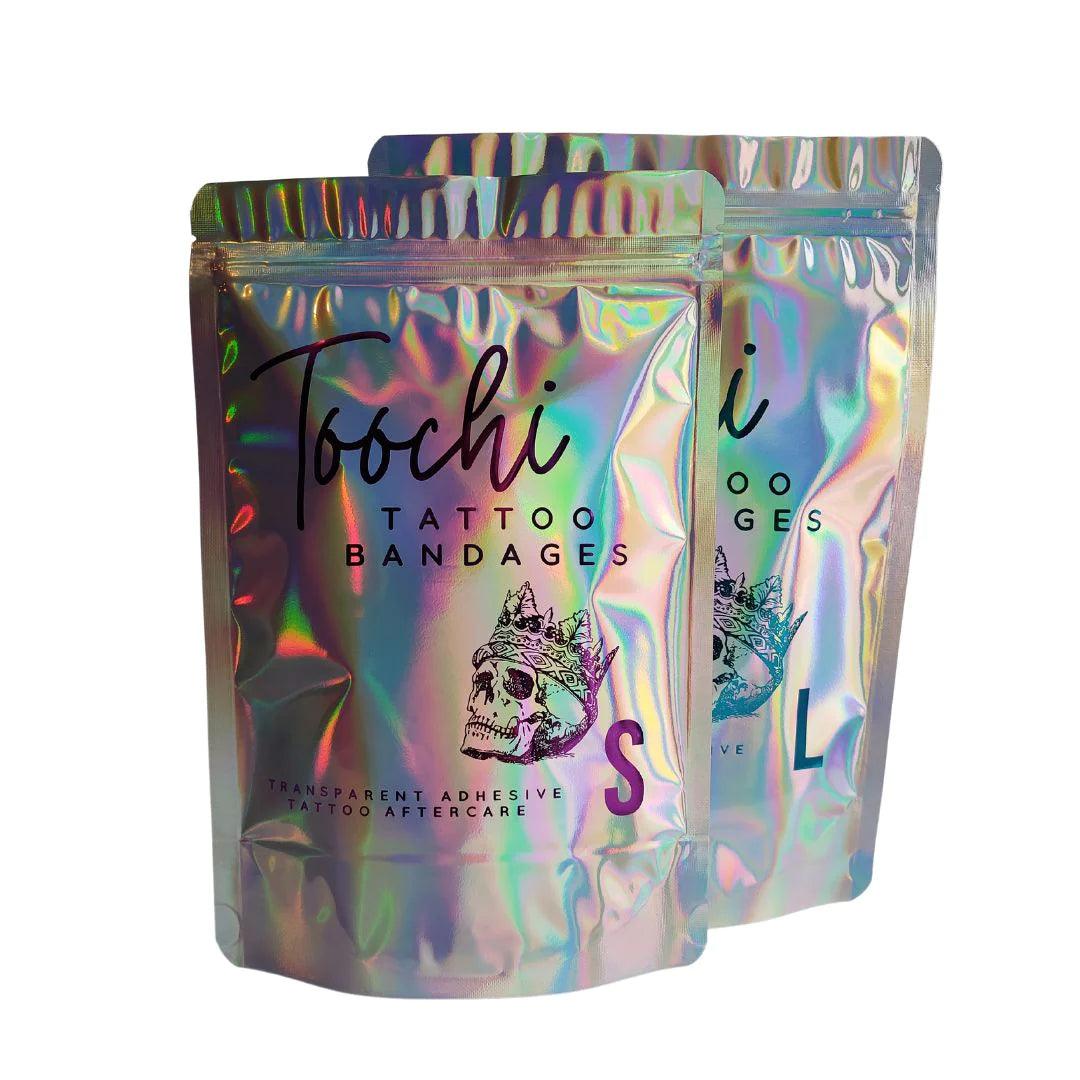
Mastering Second Skin: The Modern Approach to Tattoo Healing
Embarking on the journey of getting a new tattoo is an exciting experience, a declaration of art etched onto your skin. But the work doesn't stop when the needle does. The healing process is just as critical as the tattooing itself, determining the vibrancy, longevity, and overall health of your new masterpiece. In recent years, a revolutionary method has gained widespread popularity among artists and clients alike: Second Skin tattoo healing.
Often referred to as medical adhesive film, transparent healing film, or simply a transparent tattoo bandage, Second Skin tattoo products provide a breathable, waterproof barrier that significantly elevates the standard of tattoo aftercare. This comprehensive guide will delve into the intricacies of mastering Second Skin tattoo healing and aftercare, ensuring your fresh ink receives the optimal environment it needs to flourish.
The Science of Protection: Why Second Skin Excels
A fresh tattoo is essentially an open wound. Tiny needles have punctured the skin's surface, depositing ink into the dermis. In response, your body naturally initiates a healing cascade, producing plasma, lymph fluid, and sometimes a small amount of ink or blood. Traditional healing methods often involve frequent washing and application of ointments, which can leave the tattoo vulnerable to external contaminants and friction.
This is where the genius of Second Skin tattoo healing comes into play. By forming a secure, flexible layer over your new tattoo, this innovative film works by:
- Creating a Moist Healing Environment: Research consistently shows that a moist wound environment is conducive to faster and more efficient skin regeneration. Second Skin tattoo films lock in the body's natural healing fluids, preventing the tattoo from drying out, which in turn significantly reduces scabbing, minimizes itchiness and irritation, and lowers the risk of scarring. This crucial moisture balance supports optimal cell growth and ensures the ink settles beautifully.
- Superior Protection Against Contaminants: From airborne bacteria to pet dander and everyday dirt, your fresh tattoo is exposed to numerous potential threats. A transparent tattoo bandage acts as an impenetrable shield, safeguarding the delicate area from infection-causing pathogens and environmental irritants.
- Reducing Friction and Irritation: Clothes, bedding, and accidental bumps can all cause friction that damages a healing tattoo. The adhesive tattoo film provides a smooth, protective layer, allowing you to move with greater comfort and peace of mind during the initial, most vulnerable healing phase. This is especially beneficial for those active individuals or people with tattoos in areas prone to rubbing.
- Containing Wound Fluid: It's completely normal for plasma and other wound fluids to accumulate under the film in the first 24-48 hours. This fluid, often mixed with a bit of excess ink, is vital for healing. The Second Skin tattoo manages this fluid, keeping it in contact with the wound to promote healing without leakage, as long as the seal remains intact.
- Enhanced Comfort and Convenience: Unlike traditional methods that require constant attention, the waterproof nature of Second Skin tattoo allows for normal showering (avoiding prolonged soaking in tubs or pools). It also prevents friction and protects against bacteria overnight, making sleeping a worry-free experience.
Mastering Application & Removal: Your Step-by-Step Guide
Proper application and removal of your Second Skin tattoo film are paramount to a safe and effective healing process. While your artist will typically apply the initial bandage, understanding the technique is crucial, especially if a reapplication is needed or for future tattoos.
Applying Second Skin Tattoo Film (Artist's Expertise is Key)
The foundation of effective second skin tattoo healing lies in meticulous preparation. After your artist completes your tattoo, they will:
- Gently Cleanse: The tattoo area will be thoroughly but gently washed with a fragrance-free, antibacterial soap to remove any excess ink, blood, or plasma.
- Pat Dry: The area must be completely air or pat dried. Any moisture left on the skin can compromise the adhesive, leading to bubbling or a less secure seal.
- Careful Application: The artist will cut the adhesive tattoo film to size, ensuring it extends at least an inch beyond the tattoo's edges. They will then carefully peel back the backing and apply the film smoothly over the tattoo, pressing down from the center outwards to eliminate air bubbles and create a secure, wrinkle-free seal. This forms the breathable layer that protects against bacteria and supports moisture balance.
Most artists recommend leaving the initial second skin tattoo healing film on for 3 to 5 days, but never longer than 6 days. During the first 24-48 hours, observing plasma build-up under the film is normal. However, if you notice the film is leaking, compromised, or experiencing excessive fluid pooling, your artist might advise replacing it within the first 24 hours.
Gentle Removal Techniques
Removing the second skin tattoo healing film should always be a slow, gentle process to avoid any trauma to the delicate healing skin. Rushing this step can potentially pull off scabs or even lift ink.
- Wash Your Hands: Ensure your hands are clean to prevent introducing bacteria to the newly exposed tattoo.
- Loosen with Warm Water: A warm shower can significantly help in loosening the adhesive. Let warm water run over the film for a few minutes.
- Lift a Corner: Find an edge of the adhesive tattoo film and gently lift a corner. You can often stretch the film slightly to help it release.
- Peel Slowly: Peel the film back *slowly* and *parallel to the skin*, not straight up. Crucially, peel in the direction of hair growth while simultaneously keeping the skin taut with your other hand. This minimizes discomfort and prevents skin irritation.
- Rinse Away Residue: After complete removal, gently wash any adhesive residue or remaining plasma from your tattoo with a mild, fragrance-free antibacterial soap and warm water.
Beyond the Film: Essential Post-Second Skin Aftercare
The removal of your second skin tattoo isn't the end of your aftercare journey; it's a transition. Your tattoo is still healing, and proper ongoing care is crucial for its long-term vibrancy and health. After removing the film and gently cleansing the area:
- Gentle Cleansing: Continue washing your tattoo 2-3 times a day with a mild, fragrance-free antibacterial soap. Use lukewarm water and your clean fingertips. Avoid abrasive cloths or sponges.
- Pat Dry, Don't Rub: Always pat your tattoo dry with a clean paper towel or a dedicated, clean soft cloth. Rubbing can irritate the skin and potentially damage the healing tattoo.
- Moisturize Regularly: Once the tattoo is completely dry, apply a very thin layer of fragrance-free, tattoo-specific lotion or moisturizer. Less is more; you want to moisturize, not suffocate, the skin. Repeat this 2-3 times a day, or whenever the tattoo feels dry or itchy. This helps prevent excessive dryness and flaking.
- Protect from the Sun: Direct sun exposure is detrimental to healing tattoos and can cause fading to healed tattoos. Keep your new ink covered with loose clothing or stay out of the sun. Once fully healed, always use a high-SPF sunscreen on your tattoo.
- Avoid Soaking: Continue to avoid soaking your tattoo in baths, pools, hot tubs, or any standing water until it is fully healed (typically 2-4 weeks). Showers are fine.
- Listen to Your Body: Light scabbing and itching are normal during this phase. Resist the urge to pick or scratch your tattoo, as this can lead to ink loss and scarring.
For more in-depth guidance on your post-film routine, check out our article: Second Skin Tattoo Aftercare: Essential Dos and Don'ts for Recovery.
Navigating Red Flags & FAQs: When to Act and What to Expect
While second skin tattoo healing is highly effective, it's not suitable for everyone, and knowing the potential red flags is vital for preventing complications.
- Adhesive Allergies: If you have a known allergy to adhesives or experience sensitive skin prone to contact dermatitis, transparent tattoo bandages might not be for you. Discuss this with your artist beforehand.
- Excessive Plasma Pooling or Leakage: While some fluid build-up is normal, if you notice an unusually large amount of fluid, or if the film starts leaking, it's often a sign that the seal is compromised. Remove the film, clean the tattoo, and transition to traditional aftercare.
- Signs of Irritation: Remove the film immediately if you experience burning, excessive itching, significant redness spreading outward from the film's edge, or any severe discomfort.
- Signs of Infection: These are serious and require prompt medical attention. Look for symptoms such as redness spreading outward, increasing swelling, significant pain, warmth around the tattoo, pus, or fever. Always err on the side of caution and consult a healthcare professional.
- Never Exceed Recommended Wear Time: Adhere strictly to your artist's recommendation, and never keep the film on longer than 6 days. Prolonged wear, especially if the seal is compromised, can trap bacteria and moisture, increasing the risk of infection.
Common Questions About Second Skin Tattoo Healing:
Many first-time users of second skin tattoo have similar questions. Here are quick answers to some of the most frequent inquiries:
- Can I shower with second skin on? Yes, the transparent tattoo bandage is waterproof, allowing you to shower normally. However, avoid soaking in pools, bathtubs, or hot tubs, as this can compromise the seal or introduce bacteria.
- Can I sleep with it on? Absolutely! Second skin tattoo healing film is designed to be worn overnight. It prevents friction from bedding and protects against bacteria, offering a much more comfortable sleep than traditional methods.
- How many days should I wear it? Most artists recommend wearing the initial film for 3-5 days. It should never be left on for longer than 6 days.
- Is second skin better than ointment healing? Many clients and artists find that second skin tattoo leads to less scabbing, reduced itching, and ultimately brighter, more vibrant results due to the optimal moist healing environment. While both methods can be effective, second skin tattoo offers superior protection and convenience during the initial healing phase. For a detailed comparison, explore our article: Second Skin vs. Ointment: Unveiling The Best Tattoo Healing Method.
- When should I see a doctor? Seek medical attention immediately if you notice spreading redness, pus, increased swelling, intense pain, or fever, as these are potential signs of infection.
Conclusion
Mastering second skin tattoo healing is about understanding its purpose, adhering to proper application and removal techniques, and diligently continuing aftercare once the film is off. This modern approach offers unparalleled protection, comfort, and an optimal healing environment, setting your tattoo up for the best possible outcome. Always communicate with your tattoo artist, follow their specific instructions, and pay close attention to your body's signals. By embracing the power of second skin tattoo, you're not just healing a wound; you're nurturing a piece of art, ensuring your canvas remains a vibrant testament to your chosen expression for years to come.