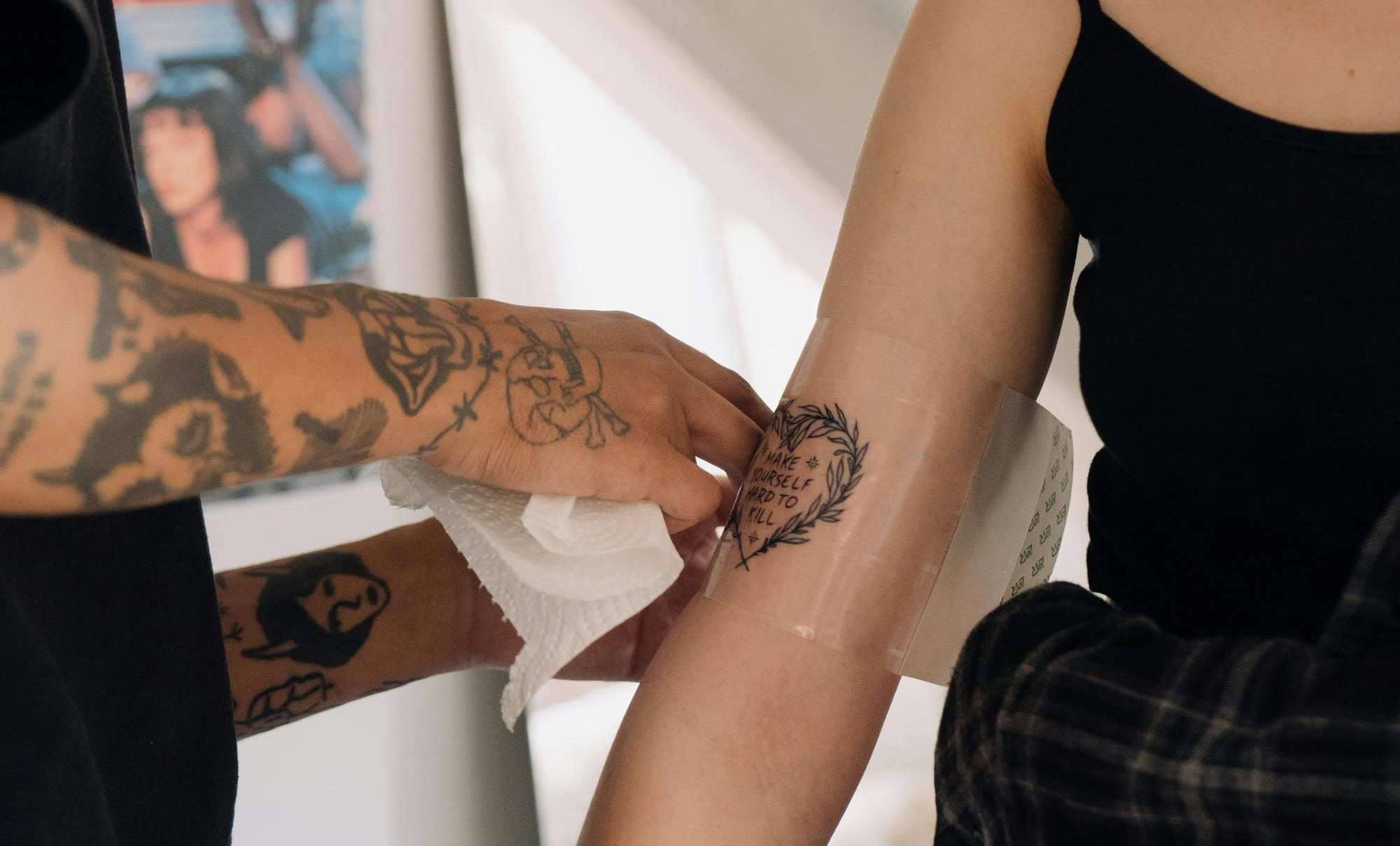
Second Skin Tattoo Aftercare: Your Ultimate Guide to a Flawless Heal
Congratulations on your new tattoo! The journey to vibrant, perfectly healed ink doesn't end when you leave the studio; it truly begins with diligent aftercare. Among the many methods, Second Skin Tattoo healing has emerged as a revolutionary and widely favored approach for protecting your fresh artwork. This modern, transparent adhesive film acts as a protective shield, creating an optimal healing environment. But to truly harness its benefits, understanding the essential dos and don'ts is crucial. Let's dive deep into making your Second Skin Tattoo aftercare journey smooth and successful.
The Unbeatable Benefits of Second Skin Tattoo Healing
Often referred to as medical adhesive film, wound film, or simply a transparent tattoo bandage, Second Skin Tattoo is a thin, flexible, self-adhesive layer applied directly over your new tattoo. It's designed to stay on for several days, providing continuous protection and fostering ideal healing conditions. Why are so many artists and clients raving about it?
- Superior Protection: A fresh tattoo is an open wound, susceptible to bacteria, dirt, and friction. The Second Skin Tattoo acts as a robust barrier, safeguarding your delicate new ink from external contaminants, pet hair, and accidental bumps, especially during the crucial initial days.
- Optimal Moist Healing Environment: Unlike traditional methods that can lead to excessive scabbing and dryness, Second Skin Tattoo healing locks in your body's natural wound fluids (plasma, lymph, and a bit of ink). This moist environment is scientifically proven to accelerate skin regeneration, reduce scabbing, minimize itchiness and irritation, and significantly lower the risk of scarring or uneven healing. You might notice fluid buildup under the film – don't panic! This is usually normal and a sign the bandage is doing its job.
- Enhanced Comfort and Convenience: Forget the constant reapplication of ointments and the worry of stains. The waterproof nature of a transparent tattoo bandage means you can shower normally without compromising your tattoo's protection. It also prevents friction while sleeping, ensuring undisturbed rest. This freedom and ease make daily life much simpler during the initial healing phase.
- Potentially Brighter Results: By minimizing thick scabs and promoting even healing, many users report that their tattoos heal with more vibrant colors and sharper lines when using Second Skin Tattoo aftercare, contributing to a more aesthetically pleasing final result.
Applying and Living with Your Second Skin Tattoo: The Right Approach
While your tattoo artist will typically apply the initial piece of Second Skin Tattoo with expert precision, understanding the process is empowering. They'll ensure the area is clean, dry, and free of moisture before carefully smoothing the adhesive film over your tattoo, typically with an adequate border around the inked area to ensure a secure seal. The goal is a wrinkle-free, bubble-free application that forms a perfect seal against your skin.
Once applied, you'll generally wear your Second Skin Tattoo for a recommended period, usually 3 to 5 days, but never exceeding 6 days. During this time:
- Shower with Confidence: Yes, you can shower! The transparent tattoo bandage is waterproof. Just avoid prolonged soaking in baths, hot tubs, or swimming pools, as this can compromise the adhesive or introduce bacteria around the edges.
- Sleep Soundly: The film protects your tattoo from friction against bedding and clothes, allowing you to sleep comfortably without worry.
- Manage Fluid Buildup: It's common to see a mixture of plasma, lymph fluid, and excess ink pooling under the film. As long as it's not leaking, excessively heavy, or causing discomfort, this is normal. Your body is doing its healing work!
- Listen to Your Artist: Always adhere to the specific instructions given by your tattoo artist regarding wear time and any additional recommendations. They know your tattoo best. For a deeper dive into optimal care, check out Mastering Second Skin: Optimal Tattoo Healing & Aftercare Guide.
Removing Your Second Skin Tattoo: A Gentle Process
The removal process is just as critical as the application to avoid irritating or damaging your healing skin. Remember, gentle and slow is the mantra.
- Timing is Key: Stick to your artist's recommended wear time, typically 3-5 days. While it's tempting to leave it on longer for maximum protection, exceeding 6 days can trap bacteria, creating an environment ripe for infection.
- Prepare for Removal: Wash your hands thoroughly with antibacterial soap. A warm shower is often recommended as it helps to loosen the adhesive, making removal smoother and less uncomfortable.
- Peel Slowly and Carefully: Find an edge or corner of the adhesive tattoo film and lift it gently. Then, peel the film back very slowly, stretching it horizontally and pulling it in the direction of your hair growth. Keep your skin taut with your other hand to minimize tugging on the fresh tattoo. Imagine peeling off a stubborn sticker – patience is your best friend here.
- What to Expect: Don't be alarmed by any adhesive residue or the appearance of your skin. It might look slightly red, wrinkled, or "pruney," and the plasma/ink accumulation will likely come off with the film. This is all normal.
Beyond the Film: Post-Second Skin Tattoo Aftercare & Red Flags
Once your Second Skin Tattoo is off, your aftercare journey isn't over. The tattoo still needs careful attention to fully heal and ensure its longevity.
- Immediate Aftercare: After removing the film, gently wash the tattoo with a mild, fragrance-free antibacterial soap. Use your fingertips, not a washcloth, and rinse thoroughly. Pat the area dry with a clean paper towel – never rub.
- Moisturize Regularly: Once dry, apply a very thin layer of a fragrance-free, tattoo-specific lotion or balm. You want to keep the skin hydrated without suffocating it. Repeat washing and moisturizing 2-3 times a day for the next 2-4 weeks, or until your tattoo is no longer dry or flaky.
- Continued Protection: Avoid direct sun exposure, prolonged soaking, tight clothing that rubs against the tattoo, and picking or scratching any remaining flakes or scabs.
When to Remove Immediately or Seek Medical Attention: Red Flags
While Second Skin Tattoo aftercare is generally safe and highly effective, it's not suitable for everyone, and it's vital to recognize potential issues:
- Allergic Reactions: If you have known allergies to adhesives or very sensitive skin prone to contact dermatitis, discuss alternatives with your artist. Signs of an allergic reaction include intense itching, widespread redness, blistering, or a rash spreading beyond the film's edges. Remove the film immediately if these occur.
- Excessive Fluid Pooling/Leaking: While some fluid buildup is normal, if the film begins to leak significantly, or if there's an overwhelming amount of fluid causing the film to bulge excessively or lift, it might be best to remove it to prevent bacteria from entering.
- Burning or Excessive Irritation: Any feeling of severe burning, unusual pain, or excessive irritation under the film is a sign to remove it promptly.
- Signs of Infection: These are serious and require immediate medical attention. Look out for redness spreading outward from the tattoo, increasing swelling, pus discharge, worsening pain, warmth around the tattoo, or a fever. Do not hesitate to contact a doctor or urgent care.
For those weighing different aftercare options, you might find our comparison article insightful: Second Skin vs. Ointment: Unveiling The Best Tattoo Healing Method.
Conclusion
The innovation of Second Skin Tattoo aftercare has truly transformed the initial healing phase, offering unparalleled protection and convenience. By understanding its benefits, correctly managing its application and removal, and diligently continuing your aftercare beyond the film, you set your new tattoo up for the best possible outcome. Always prioritize your artist's advice and listen to your body. With proper care, your beautiful new ink will heal brilliantly, becoming a vibrant testament to your personal story for years to come.